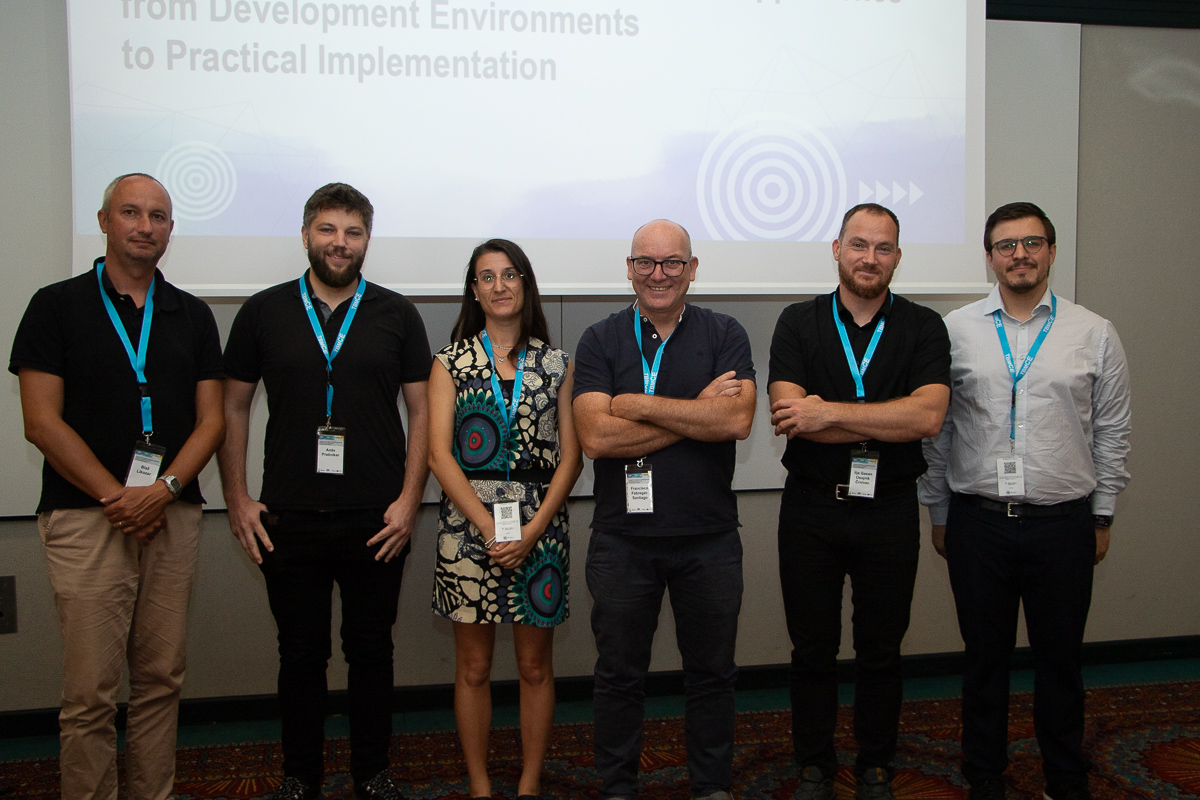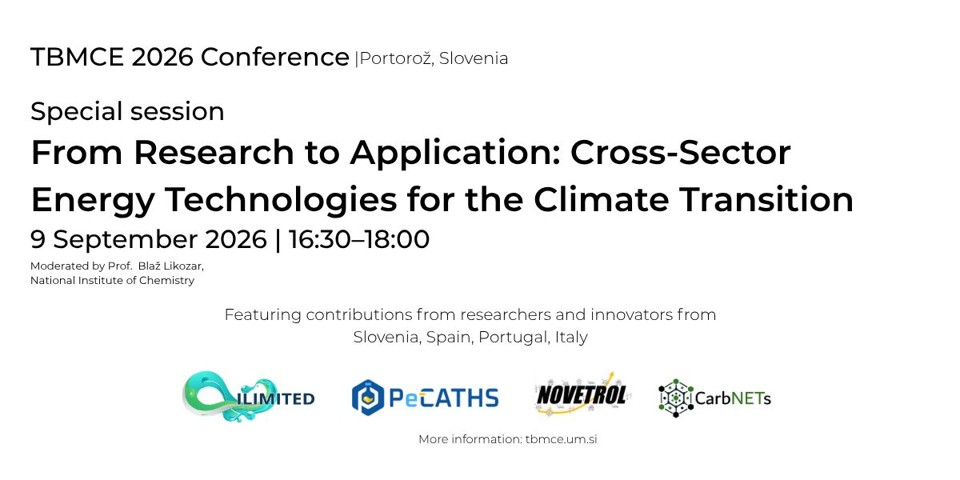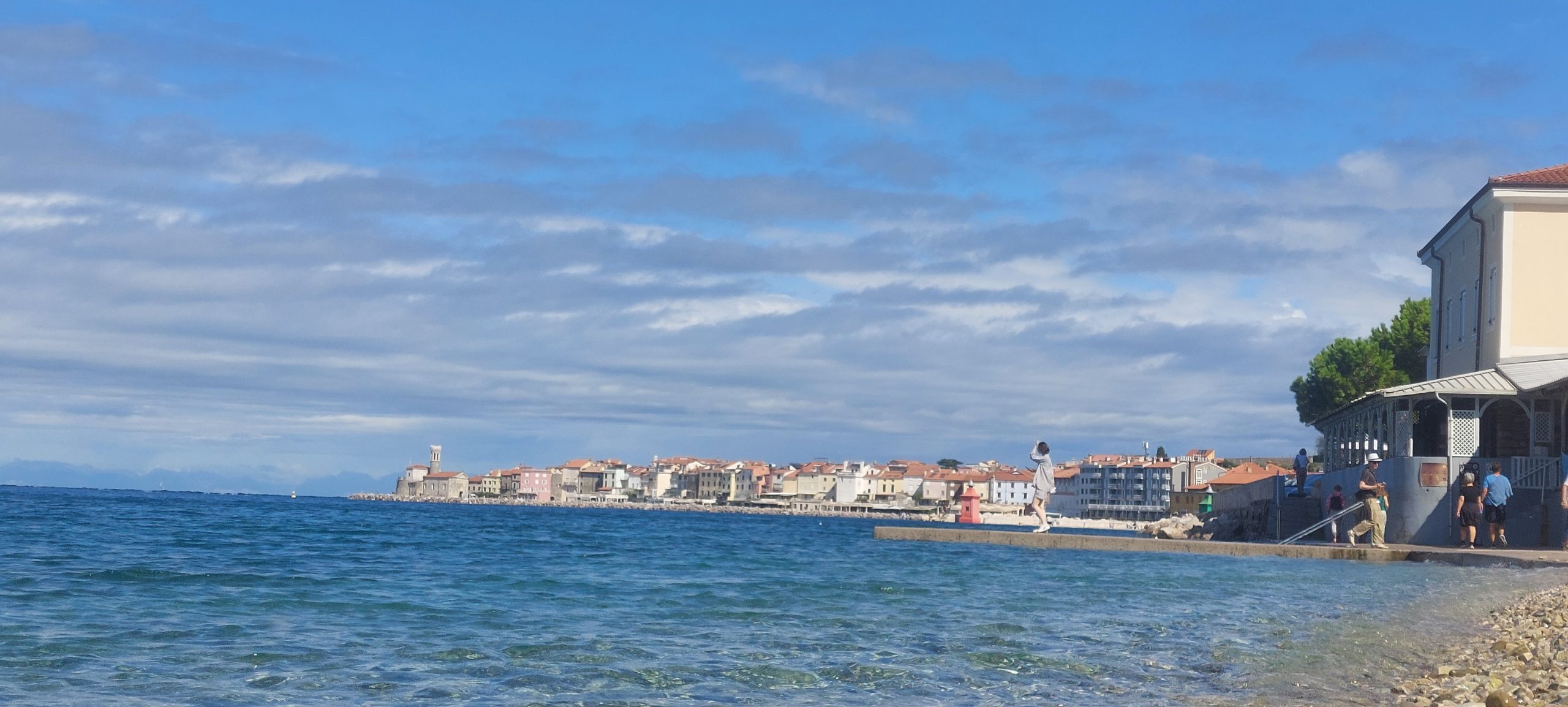
ILIMITED, together with its sister projects PeCATHS and NOVETROL, organized a joint special session titled “From Research to Application: Cross-Sector Energy Technologies for the Climate Transition” at the Technologies and Business Models for Circular Economy (TBMCE 2026), held from 09–11.09.2026 in Portorož, Slovenia.
Moderated by Assoc. Prof. Blaž Likozar, the session brought together experts from European research and innovation projects addressing key challenges of the clean energy transition. The programme highlighted complementary approaches ranging from hydrogen storage and CO₂ utilisation to sustainability assessment and industrial decarbonisation.
The session featured presentations from:
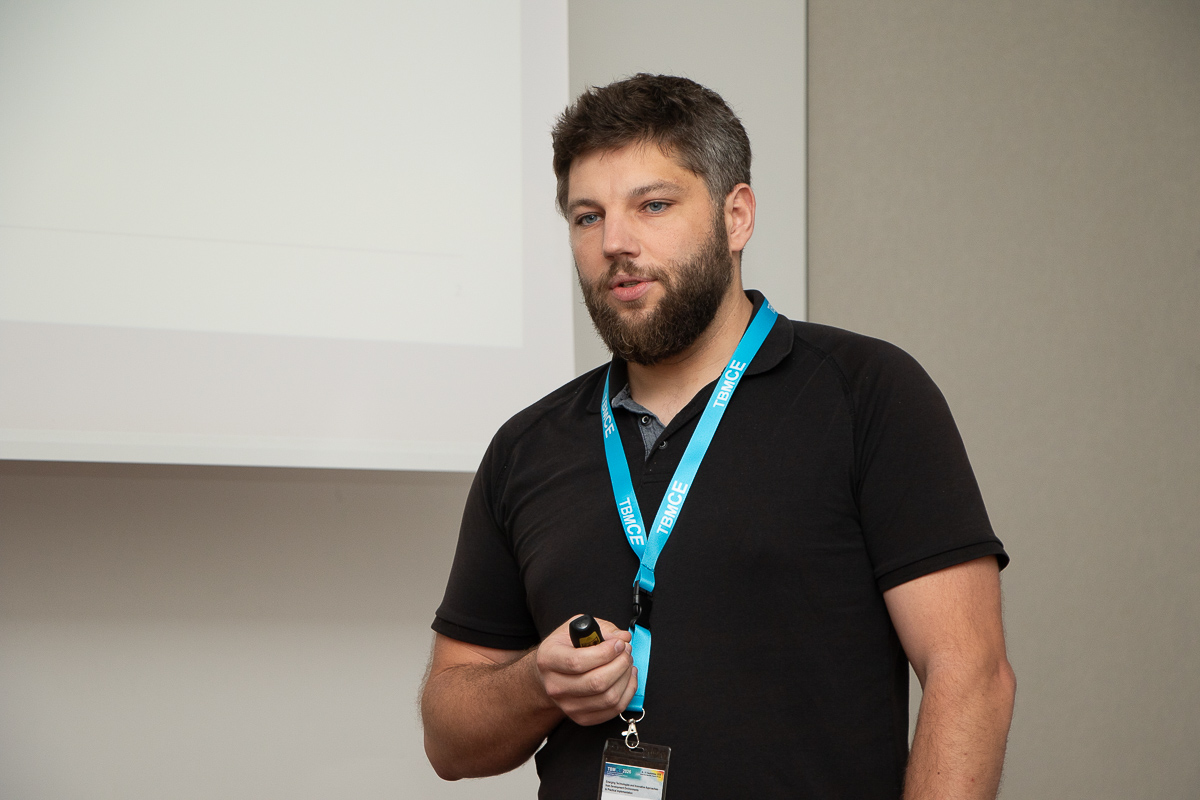
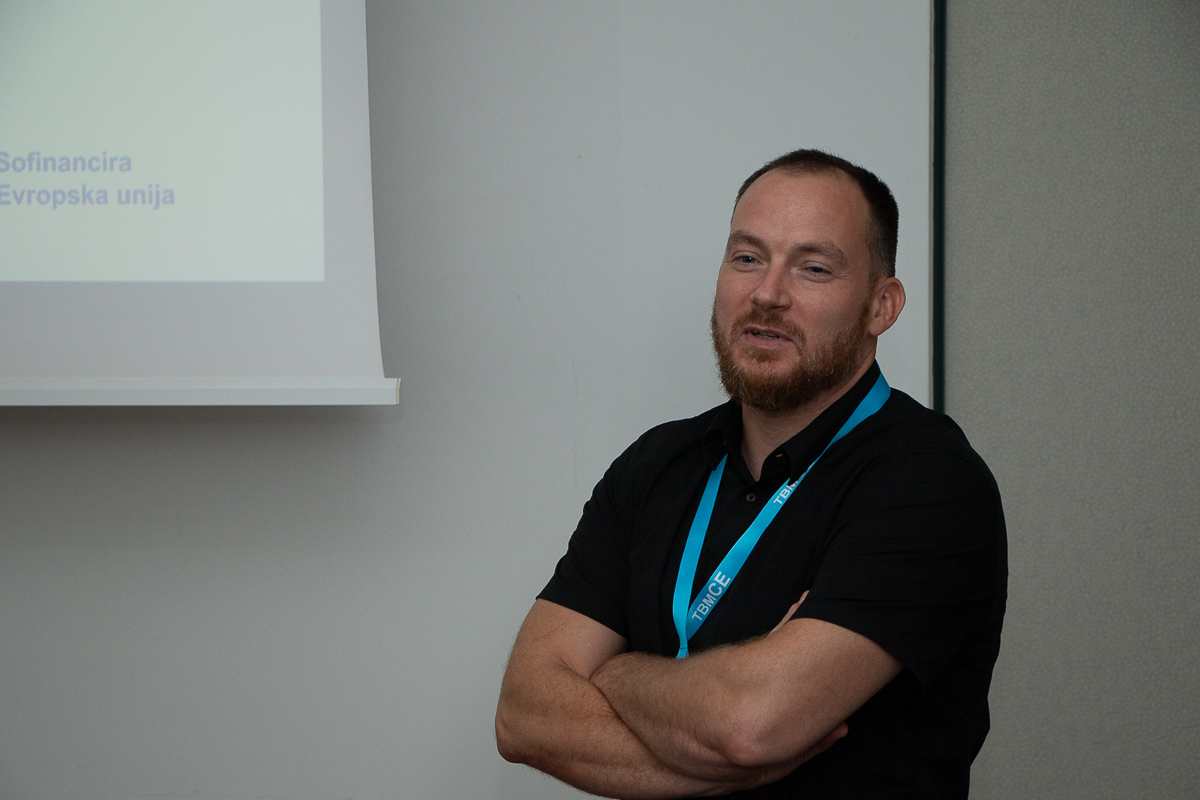
- ILIMITED, presented by Anže Prašnikar (National Institute of Chemistry, Slovenia), who introduced the project’s vision and objectives through the presentation “ILIMITED: first-ever Ionic LIquid sorbent Methanol synthesis In order To Enable over 80% yield“, demonstrating how ionic-liquid-based process intensification could significantly improve methanol production from CO₂.
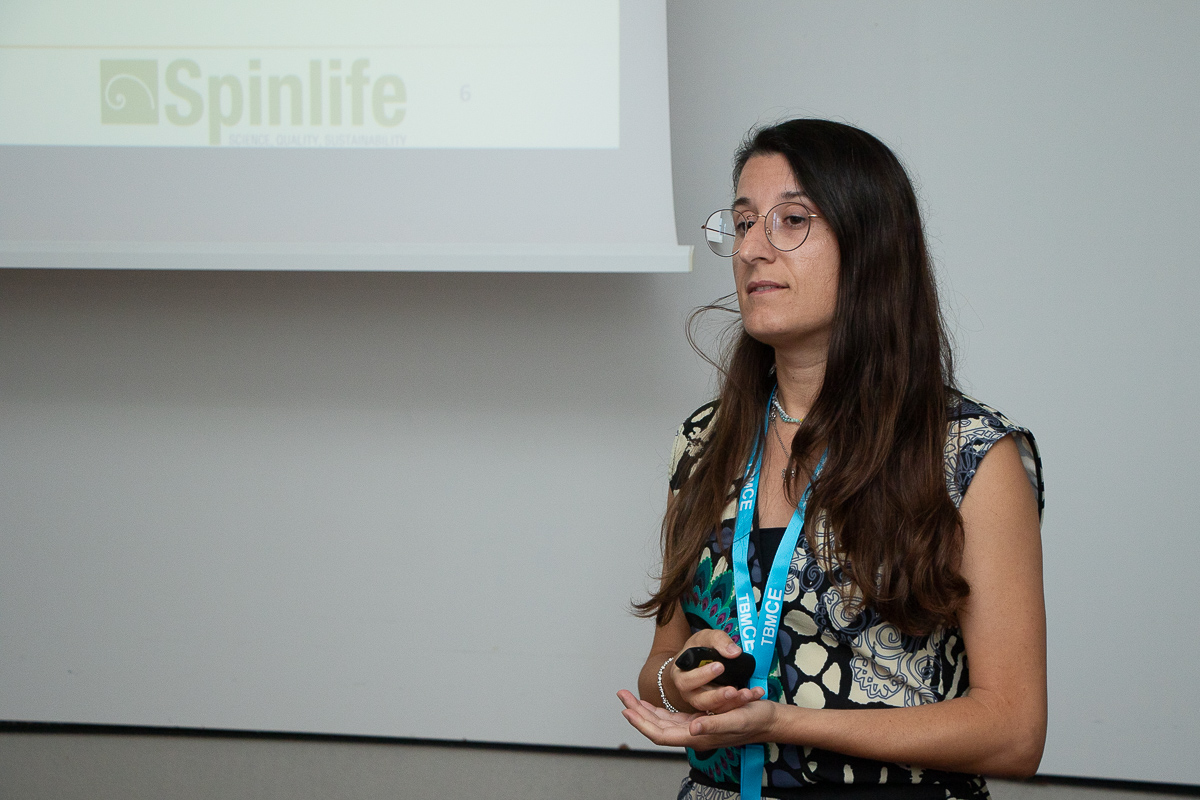
- NOVETROL, presented by Martina Pucciarelli (Spin Life s.r.l., Italy), who in her contribution “Application of LCA and S-LCA to low-TRL technologies: a case study of a novel current-limiting solution for the energy transition“, highlighted the importance of assessing both environmental and social impacts when developing next-generation energy technologies. The presentation showcased how sustainability assessment tools can help guide innovation towards solutions that are not only technically effective but also environmentally responsible, socially acceptable and aligned with Europe’s energy transition goals.
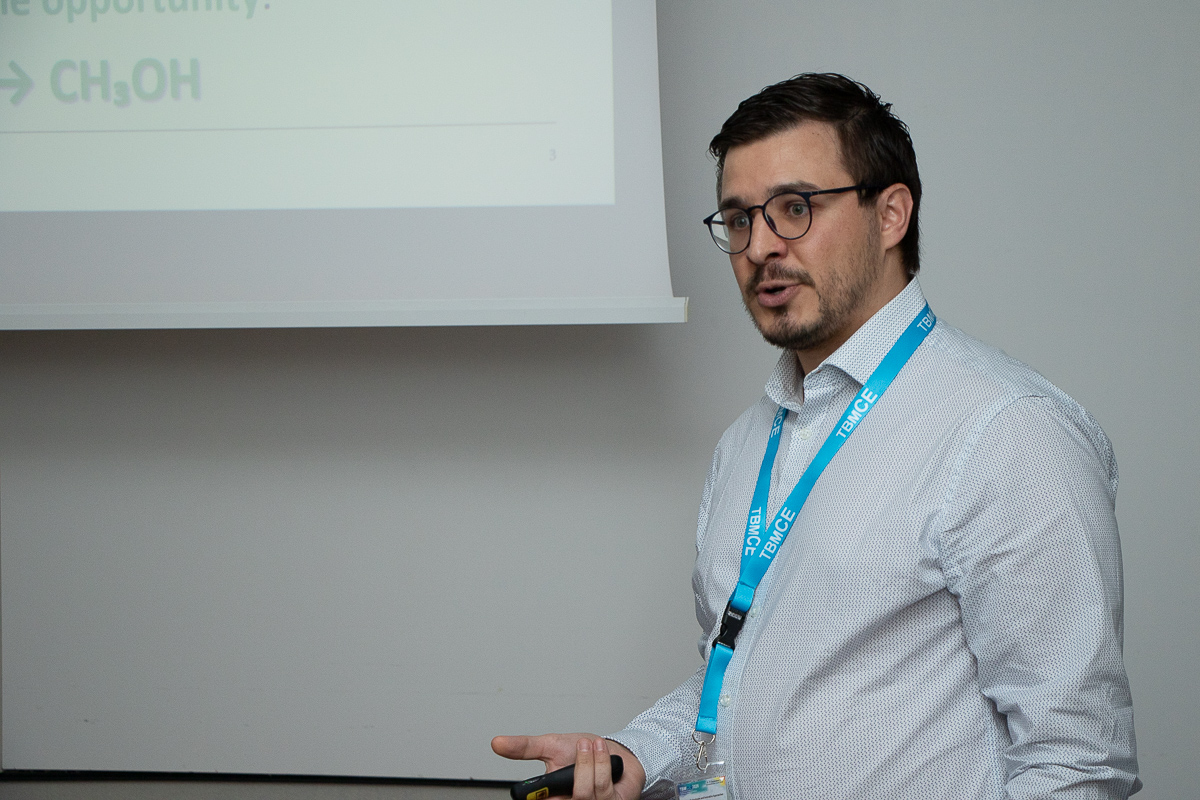
- ILIMITED, presented by Filipe H. B. Sosa (University of Aveiro, Portugal) who in his contribution “Adsorbent design for process intensification in co₂ valorisation to methanol“ , highlighted how advanced computational tools and machine learning can accelerate the design of novel ionic liquids for methanol production from captured CO₂. By virtually screening millions of potential candidates, researchers can identify the most promising materials for selectively removing reaction products and improving process efficiency before moving to experimental validation.
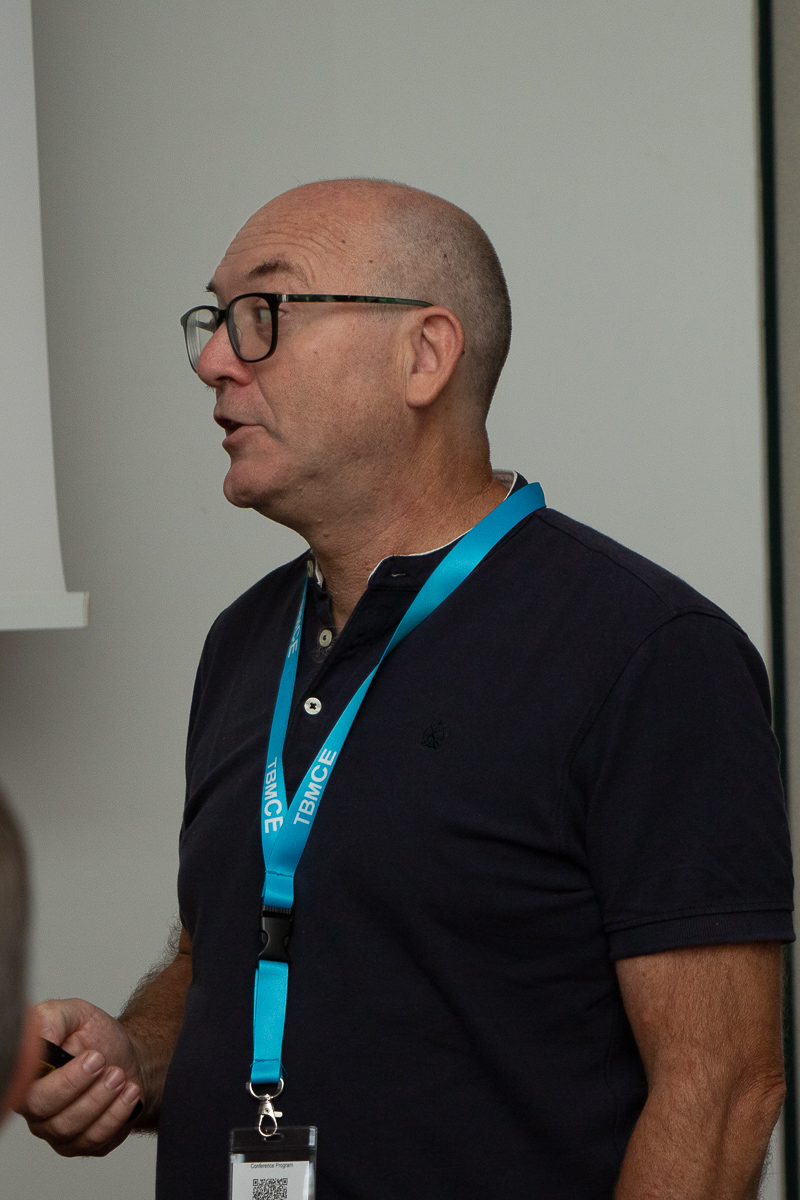
- PeCATHS topic “A sustainable way to store hydrogen” presented by Francisco Fabregat-Santiago (Universitat Jaume I, Institute of Advanced Materials, Spain) showcased an innovative approach to sustainable hydrogen storage. The project explores how renewable electricity and biomass can be combined to produce valuable chemicals while storing hydrogen in stable liquid carriers that are easier to transport, distribute and use. This integrated concept has the potential to improve the efficiency and economic viability of green hydrogen technologies, supporting the transition towards a low-carbon energy and chemical industry.
- CarbNETs presented by Ilja Gasan Osojnik Črnivec (Center for Development, Demonstration and Training for Carbon-Free Technologies, Slovenia), highlighted integrated solutions for CO₂ capture, thermal energy management and industrial electrification.
The joint session demonstrated how collaboration across projects, disciplines and sectors can accelerate the transition from research results to real-world implementation. By fostering knowledge exchange and coordinated dissemination activities, the participating projects contribute to a more integrated European approach to clean energy innovation.
The discussions underscored the importance of connecting scientific advances with industrial uptake and policy objectives, helping transform promising technologies into practical solutions that support Europe’s transition towards a climate-neutral, resource-efficient and circular economy.
TBMCE 2026 is organised by the Faculty of Chemistry and Chemical Engineering, University of Maribor, in cooperation with SRIP – Circular Economy, managed by the Chamber of Commerce and Industry of Štajerska. The conference brings together business leaders, researchers and innovators, technology developers, and policy and decision makers. The programme addresses the current challenges of technological development and the responsibility of society in its transition from fossils to renewables, from linear to circular.